Caring for Your Teaware: Tips to Make It Last
Share
Your teaware is more than just a functional tool—it’s an essential part of your tea ritual, often crafted with care and tradition in mind. To keep your cherished pieces looking beautiful and functioning perfectly, proper care is essential. Here are practical tips to help your teaware stand the test of time while preserving its beauty and functionality.
1. Handle with Care
Teaware, especially handcrafted pieces, can be delicate. Always handle your teapots, cups, and gaiwans gently to prevent accidental chips or cracks. For items made of fine porcelain or glass, avoid stacking them to reduce the risk of damage.
2. Clean Immediately After Use
- Avoid Stains: Rinse your teaware immediately after each use to prevent tea stains from setting.
- Use Gentle Cleaners: Clean with warm water and a soft cloth or sponge. Harsh detergents can damage delicate surfaces, especially for unglazed teaware like Yixing clay.
- Don’t Scrub Too Hard: If stains do form, use a mild baking soda paste or a soft brush to gently remove them without scratching the surface.
3. Special Care for Different Materials
Different types of teaware require tailored care:
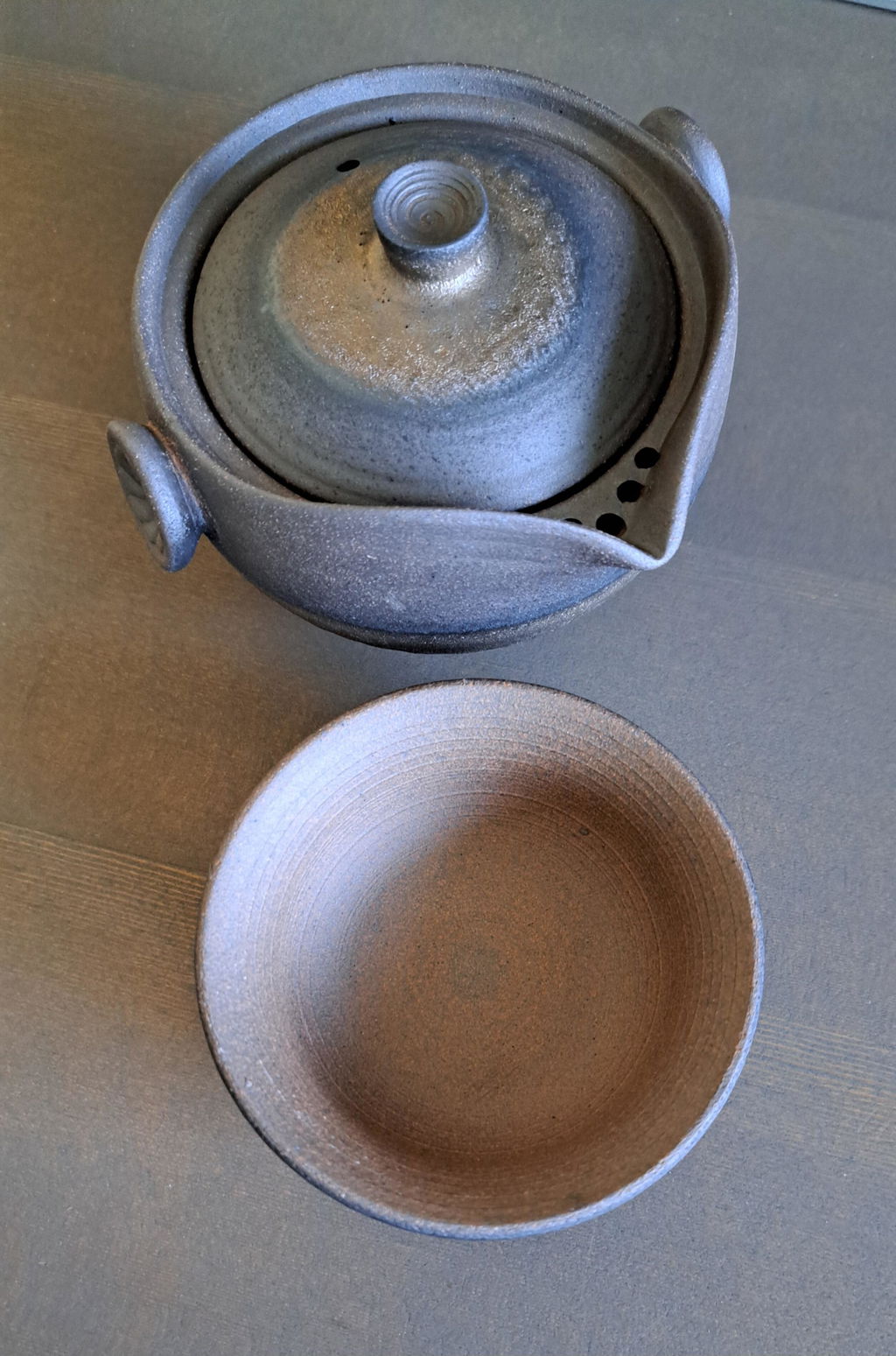
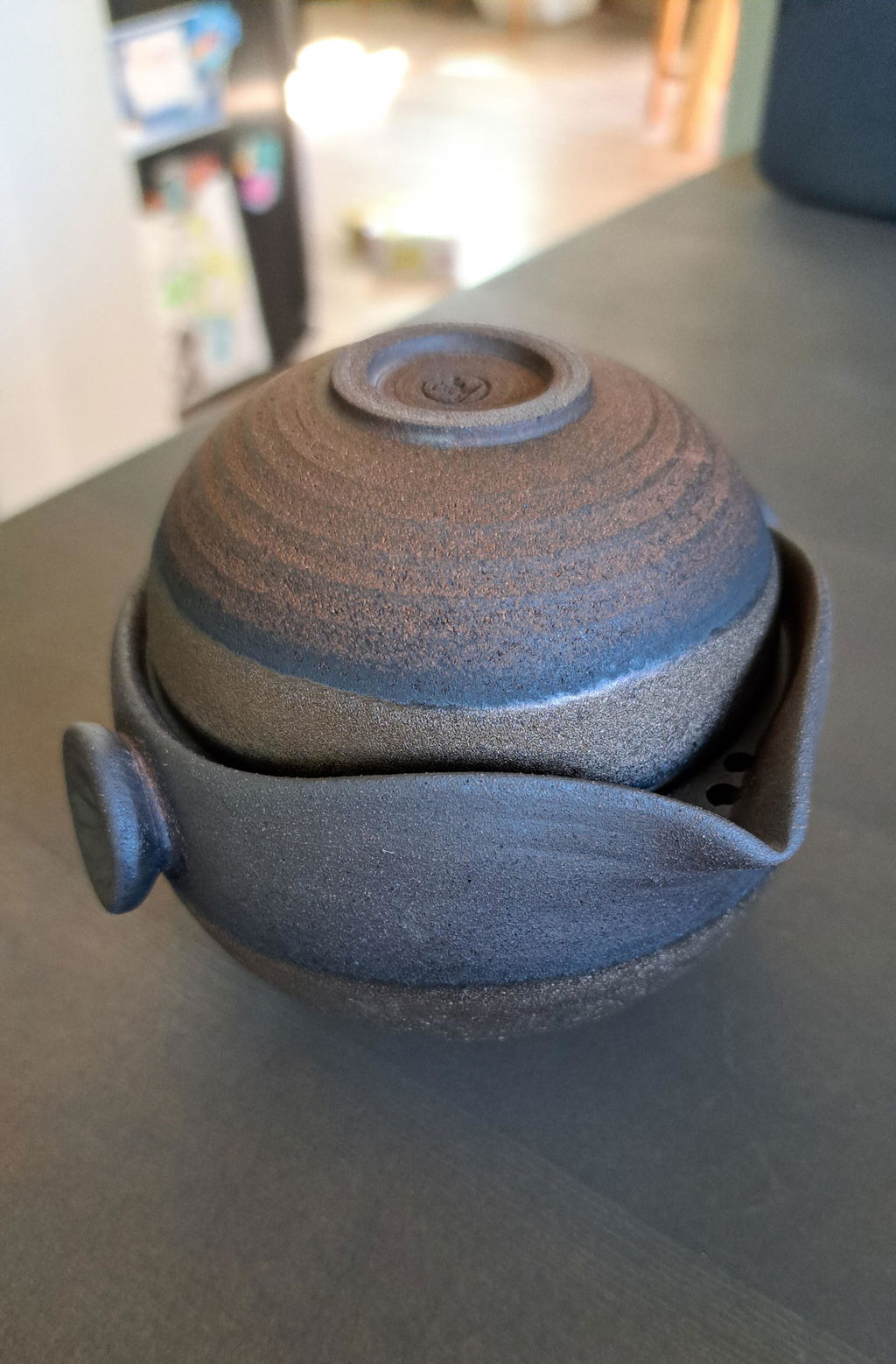
- Yixing Clay Teapots: These porous teapots absorb the flavor of your tea over time, enhancing future brews. Never use soap on Yixing clay; instead, rinse with hot water and gently wipe dry.
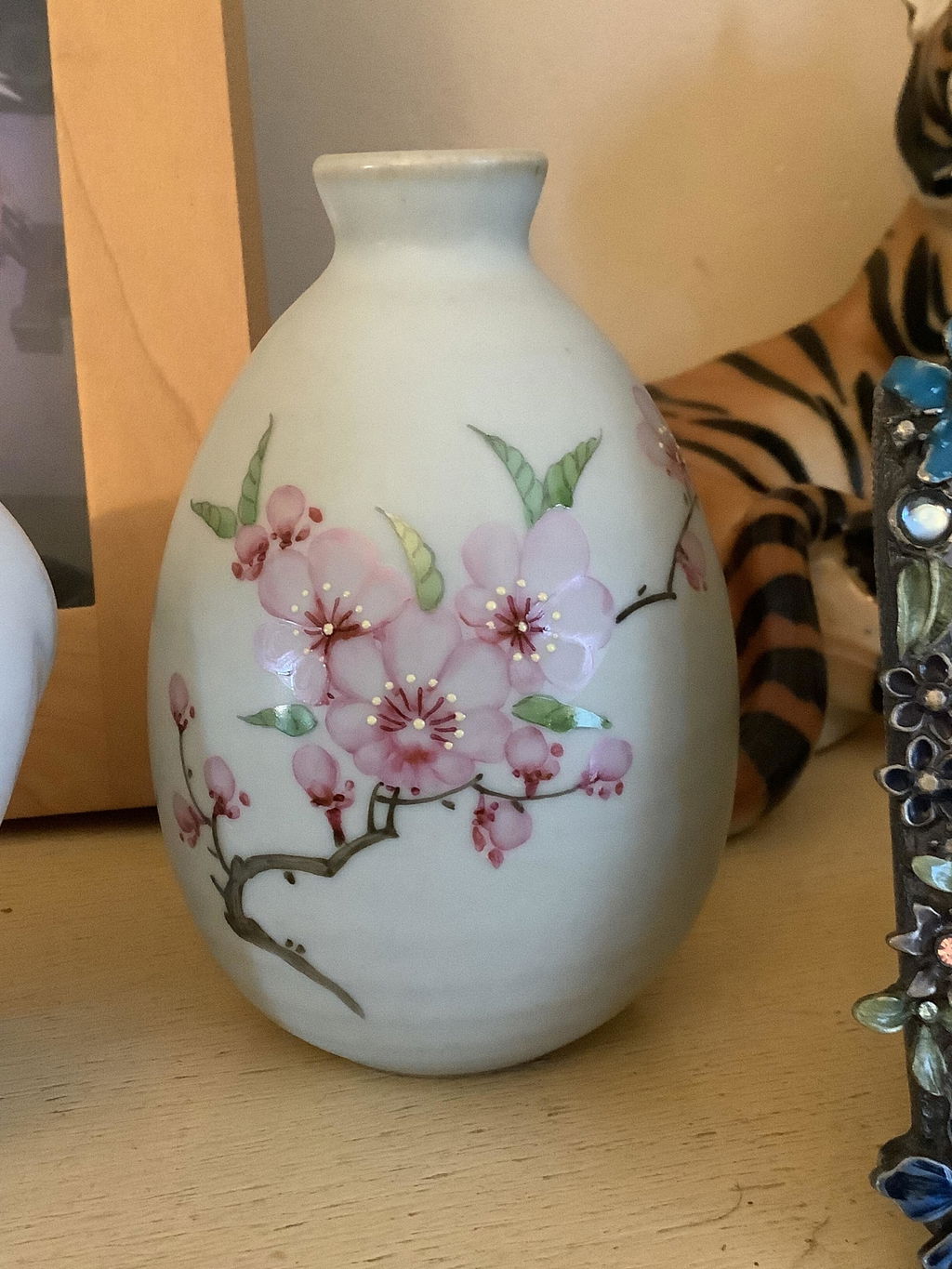
- Porcelain and Ceramic: These are easier to maintain—just wash with warm water and a little mild soap if needed. Avoid abrasive scrubbers that could damage intricate designs.
- Glass: For glass teapots or cups, ensure they’re heat-resistant and avoid exposing them to sudden temperature changes, which can cause cracks.
4. Store Properly
Storing teaware correctly prevents accidental damage and keeps them ready for your next tea session.
- Dry Completely: Ensure all pieces are fully dry before storing to prevent mold or unpleasant odors.
- Use Dividers: For delicate pieces, store them with fabric or foam dividers to avoid scratches or chips.
- Choose the Right Spot: Keep your teaware in a cool, dry place, away from direct sunlight or humidity.
5. Avoid Extreme Temperature Changes
Sudden temperature changes can cause cracks or warping, especially in clay or glass teaware. When brewing tea, warm your teapot or cup with hot water before pouring in boiling water. Similarly, let it cool naturally before rinsing with cold water.
6. Periodic Deep Cleaning
For teaware that’s heavily stained or used regularly, occasional deep cleaning is helpful:
- Soak porcelain or glass pieces in a solution of white vinegar and warm water to dissolve stubborn stains.
- For Yixing clay, simply brew a pot of tea and allow the tannins to naturally clean the surface without altering its seasoning.
7. Appreciate and Rotate Your Collection
If you have multiple teaware pieces, rotate their use to prevent wear on a single item. This also allows you to explore different styles and enjoy the diversity in your collection.
By caring for your teaware thoughtfully, you not only preserve its beauty but also honor the craftsmanship and tradition behind it. With a little love and attention, your teaware can last for years.
Why not explore Gohobi’s collection of handcrafted teaware? Each piece is designed to stand the test of time, blending quality and timeless beauty to elevate your tea moments.
FAQ: Should You Dedicate Your Yixing Teaware to One Tea?
A question we often hear is whether Yixing teaware should be dedicated to a single tea. Because unglazed Yixing clay is porous and absorbs the character of the teas brewed in it, many tea lovers reserve each pot for one tea category, such as oolong or pu-erh, so its seasoning deepens around a consistent flavor profile. Others happily brew whatever they fancy in the same pot. Both approaches have their merits, and the right choice depends on how you like to drink tea.
- Dedicated use: Reserving a pot for one tea type helps preserve the purity of flavor in each brew and lets the pot’s seasoning develop around that tea. If you drink a lot of one style, this can be especially rewarding over time.
- Mixed use: Using one pot across different teas is convenient and means fewer pieces to care for. Over time, flavors may mingle subtly, which some drinkers enjoy and others prefer to avoid.
- What about cups?: Cups also come into contact with tea, but their smaller size and shorter contact time mean any absorbed flavor is generally subtler than in a pot. Some collectors still dedicate their Yixing cups to a favorite tea, while others rotate freely.
There is no universal rule here: the best practice is the one that suits your tea ritual. If you are looking to add a piece to your collection, why not explore our Yixing Zisha Clay Teapots, each handcrafted with its own character to season and enjoy.